
Testing & Basic Repairs
I test everything I can before listing it for sale, but how much time I spend depends on what I’m selling. Some items only need a quick check, while others deserve a more thorough inspection. The goal is simple: find out what works, decide whether anything needs attention, and avoid spending more time on an item than it’s worth.
Test first. Clean second.
Before I spend time on a deeper cleaning, I want to know whether an item works. There’s not much point making something spotless only to discover it’s a very clean paperweight.
I use fresh batteries for testing, but I generally don’t include batteries with the items I sell. That expense adds up. If the contacts are corroded, I remove the batteries and give the contacts a quick clean, just enough to establish a connection. Once everything is dry, I test the item. The deeper cleaning comes after I know it works.
My Testing Worktable
I have a dedicated worktable with my tools, lights, and an illuminated magnifier. Good lighting and a closer look make small contacts, markings, and damage much easier to see. You don’t need to copy my setup. The useful part is having a clear place to work and the tools you reach for close at hand.
How Much Testing Is Enough?
Not every item needs the same amount of testing. How much time I’m willing to spend depends on what I’m selling, what it’s worth, and how familiar I am with it. Sometimes a quick check is enough. Other times, I’ll spend considerably longer making sure everything works as it should.
A Quick Check: Controllers
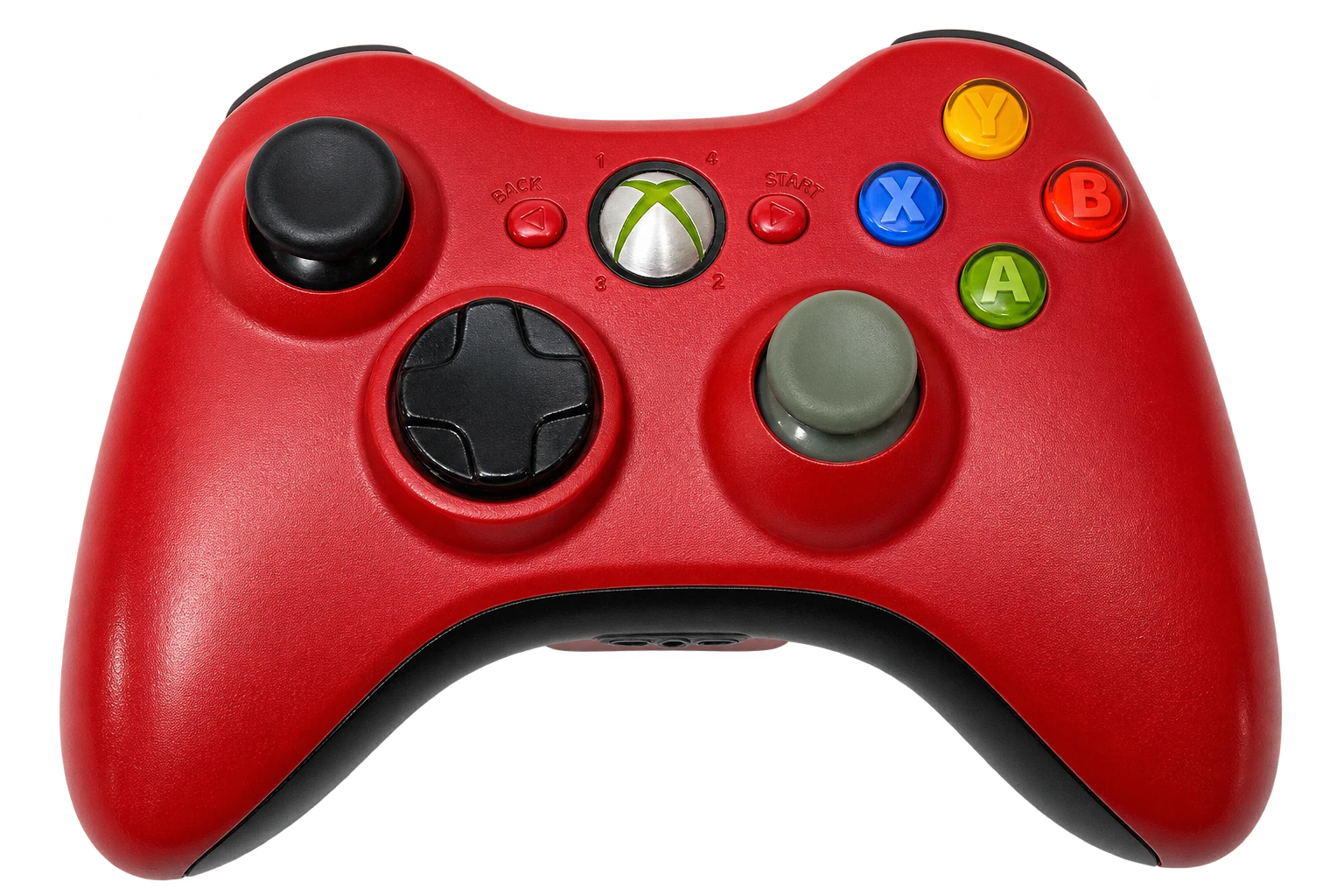
I’ve sold well over 100 Xbox 360 controllers, and my testing routine is pretty simple. I put in fresh batteries, make sure the controller powers on, and give it a good visual inspection. With PlayStation controllers, I’ll charge them, check that they power on, and make sure the battery holds a charge. Could there be a problem with a button or an analog stick that I haven’t caught? Absolutely. But after selling that many controllers with very few issues, I’ve learned where it’s worth spending my time. I make sure my listings accurately reflect what I’ve tested rather than claiming I’ve checked functions I haven’t.
On the rare occasion a buyer contacts me about a problem, I generally give them a full refund and let them keep the controller. Most of these sales are local, and I don’t feel right asking someone to drive all the way back to return something that didn’t work properly. They’ve already made the trip once, and I’ve wasted their time. The least I can do is give them their money back without making them jump through any more hoops.
That’s not a policy everyone needs to follow. It’s simply what has worked for me.
Small Improvements Worth Making
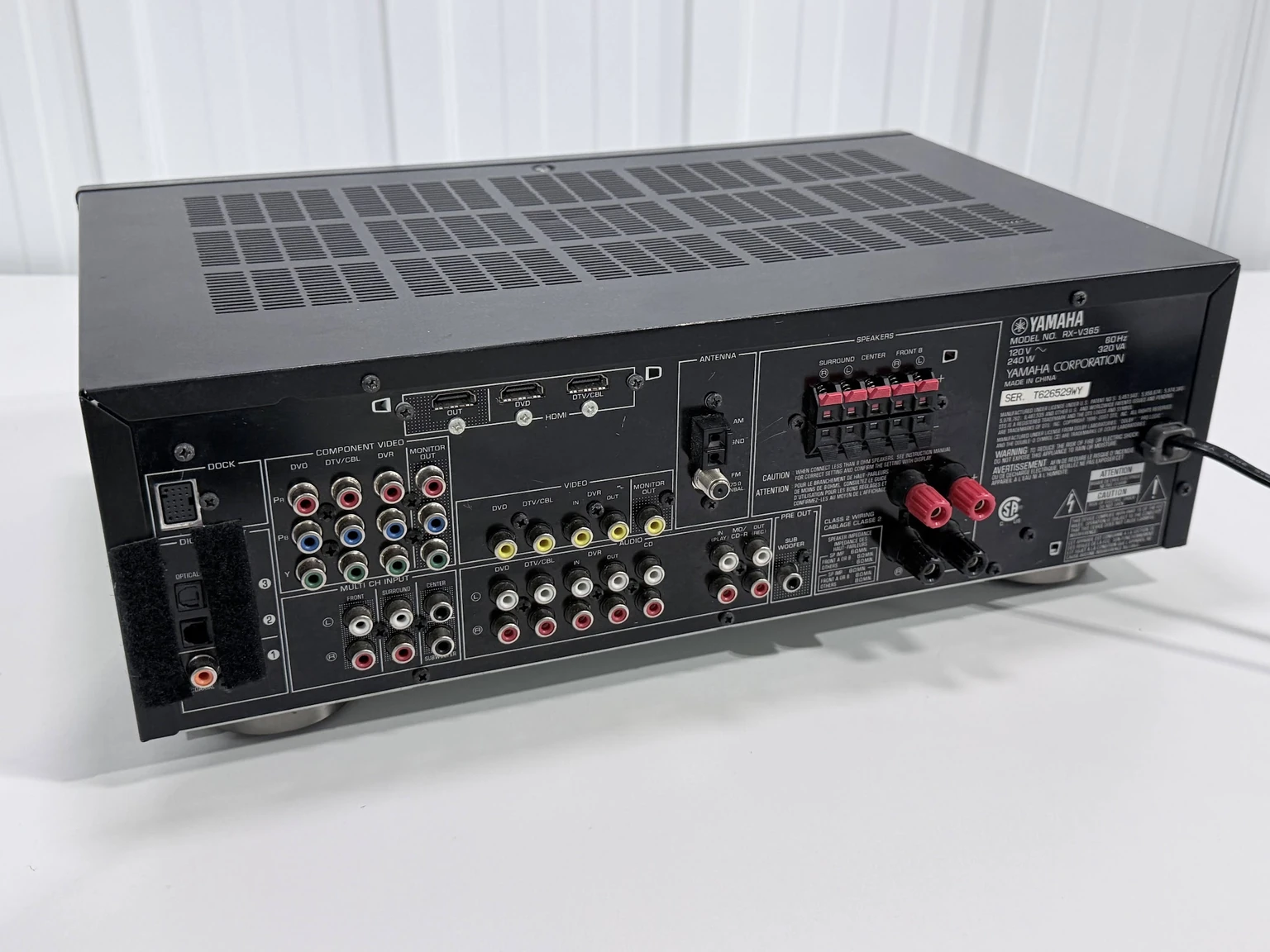
The back of this Yamaha receiver is a good example. A toothbrush and a minute or two spent cleaning dust from around the individual RCA connectors can make the whole back panel look much better cared for. Small details add up.
I do that exterior dust removal with the receiver unplugged. For more about my cleaning routine, see Cleaning & Preparing Items.
Knowing When a Repair Isn’t Worth It
Just because I can fix something doesn’t mean it’s worth my time. I weigh the likely selling price against the parts, effort, and time involved. Sometimes a small fix makes sense. Sometimes I’m better off describing the fault and moving on.
Tools for Testing & Small Repairs
A few useful tools can make testing and small repairs easier. These are options for the jobs discussed here. Start with what you need; you don’t need to buy a whole workbench at once.

CAIG DeoxIT contact cleaner
One of my favourite products for cleaning electrical contacts and connections. I use it sparingly, so a single can lasts me ages. Particularly useful when working with older electronics.
View on Amazon.ca (opens in a new tab)
AstroAI DM130B digital multimeter
A handy tool for checking voltage, continuity, batteries, and basic electrical problems. I use a multimeter regularly when testing electronics and troubleshooting equipment.
View on Amazon.ca (opens in a new tab)
SEEKONE 60W soldering station
A temperature-adjustable soldering station for repairing wires, replacing small components, and fixing damaged connections. A useful addition to the workbench if you’re comfortable doing basic electronics repairs.
View on Amazon.ca (opens in a new tab)
Jesverty SPS-3010N bench power supply
An adjustable DC power supply for testing electronics without their original power adapters. Useful for supplying specific voltages and checking how equipment behaves under power.
View on Amazon.ca (opens in a new tab)
Topbuti mini brass wire brushes
Small brass brushes are excellent for removing stubborn corrosion, oxidation, and buildup from suitable metal surfaces. They’re more aggressive than a toothbrush, so I use them carefully.
View on Amazon.ca (opens in a new tab)
LIBRATON small needle files
A collection of small files for shaping, smoothing, and removing burrs from metal and plastic components. Handy for those occasional repairs where a full-sized file is too large.
View on Amazon.ca (opens in a new tab)
SPEEDWOX long-reach needle-nose pliers
Long, narrow pliers are perfect for reaching into tight spaces, grabbing small components, and working around awkward assemblies. The extended jaws make them especially useful for electronics repairs.
View on Amazon.ca (opens in a new tab)
IRWIN Vise-Grip 6-inch side cutters
A good pair of side cutters is essential for trimming wires, removing cable ties, and cutting small components during repairs. Simple, high quality, and something I always keep within reach.
View on Amazon.ca (opens in a new tab)
Estink plastic pick and pry tool set
Plastic pry tools make opening electronic cases and removing covers much easier without scratching or damaging the surrounding plastic. Especially useful for equipment held together with clips rather than screws.
View on Amazon.ca (opens in a new tab)Want to Learn More?
Testing merchandise is only part of the reselling process. Knowing what to buy, what to avoid, how much effort something deserves, and whether there’s enough profit to make it worthwhile are just as important. In Is This Available?, I go into considerably more detail about these decisions, drawing on nearly 30 years of buying and selling used merchandise. If you’re interested in learning more about how I approach reselling, the book is a good place to start.
Explore the Book